How much human evidence is there?
A small study map, with the limits kept beside the findings.
Three studies in which people received epitalon were found by the US Food and Drug Administration (FDA).
Who was in those studies?
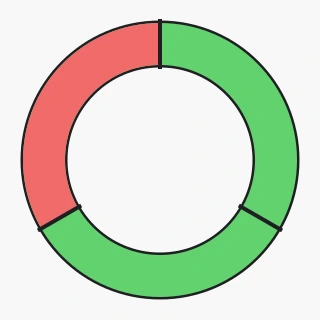
Night work
Inherited eye disease
Count of studies, not evidence of benefit.
The night-work studies used a spray under the tongue. The eye study used injections near the eye.
All came from the same research group.
What does that map leave out?
The FDA found no human study of epitalon injected under the skin. It found no study in people with insomnia, meaning trouble sleeping.
The reviewed studies did not measure whether epitalon helped people live longer. Although people received epitalon in three studies, the FDA found none that checked whether it was safe for them.
An offer can go far beyond what this small group of studies tested. Ask where the evidence for that exact offer comes from.
What did the US government’s study list show?
ClinicalTrials.gov is a US government website where researchers list studies of treatments in people. Listing a study there is different from publishing its results in a paper.
ClinicalTrials.gov searches on 28 September 2026 found no study under the treatment names epitalon or epithalon.
Published papers on epitalon do exist. The empty search means no study was found on that website under those treatment names; it does not mean no papers exist.
What can I look for in a paper?
Start with what was given, who received it, and what changed. Was it epitalon itself? Were people studied? What happened to their health?
Then ask how the groups were compared and how long they were followed. A finding can be interesting while leaving the care question open.
Brief source notes
- FDA’s human evidence review
The study map follows the agency’s review, including how epitalon was given.
- ClinicalTrials.gov search
This link searches the government’s study list for epitalon as the treatment. It does not search all published papers or every possible treatment name.